

E
hello@ribuworld.com
M
+44 79852 04488
M
+91 98203 08420
T
+91 22 6943 4666
We bring ideas to life with a 360° approach, dealing with CGI, VFX, Digitisation, Content Services, Video Editing, Automation & Machine Learning.
Built from the pixel.
Shaped through craft.


Fashion brands are drowning in content, but scattered assets across teams & platforms create duplication, inconsistency & delays. Combining DAM systems, AI tagging & human oversight brings order: making content searchable, approved & ready to publish faster.
Fashion brands are producing more content than ever, but control is slipping.
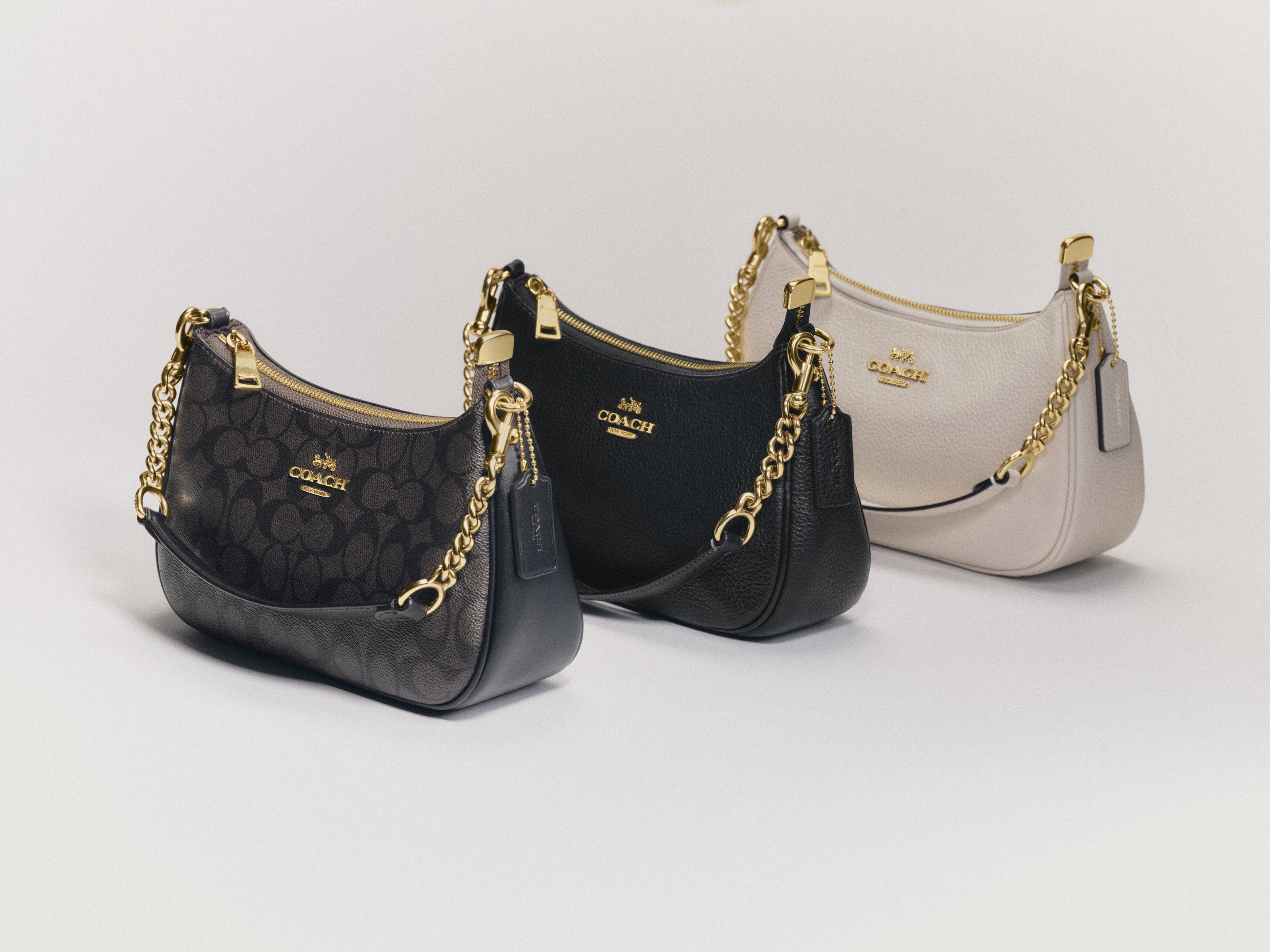
A single product can generate PDP imagery, campaign assets, marketplace versions, social creatives, email content and promotional banners. Yet these assets often sit across different teams, agencies, folders and platforms, creating invisible cracks that slow growth and weaken brand impact.
Agencies, platforms and internal teams often face fragmentation across the content ecosystem. The lack of a unified source of truth results in duplication, outdated usage, distrust and operational friction among marketing, ecommerce and production teams.
As content moves between departments, assets are frequently stored in different locations, edited multiple times and distributed without clear governance. What should be a seamless workflow becomes fragmented and difficult to manage.
Teams waste hours searching for assets instead of creating value.
Existing assets are overlooked, leading to unnecessary duplication and rising production costs.
Disjointed visuals dilute brand identity and erode customer trust.
Brand inconsistency can delay campaigns, directly impacting revenue and growth.
Without clear visibility and version control, teams often struggle to determine which assets are approved, current and ready for use. As content volumes increase, these inefficiencies become more costly and more difficult to manage.
Human expertise ensures vigilant governance of quality control and brand alignment.
Technology provides control through centralised Digital Asset Management (DAM) and Media Asset Management (MAM) systems, AI powered metadata tagging, workflow approvals and rapid asset retrieval.
Assets can be automatically tagged by SKU, style, campaign, channel or version, making them easier to find, manage and reuse. Auto QC tools help identify inconsistencies and compliance issues before assets are published, while workflow approvals ensure content remains aligned with brand standards.
Once approved, marketplace delivery integrations enable assets to be distributed efficiently across ecommerce platforms, marketplaces, social channels and CRM systems.
Human insight enhances accuracy while technology creates the systems needed for speed, control and scalability.
When technology and human expertise align, brands unlock faster execution, stronger consistency and scalable growth.
Content becomes searchable, approved, reusable and ready to publish.
This is not simply optimisation. It builds trust, streamlines collaboration and transforms content into a true growth engine for modern fashion brands.

Every imaginable solution for brands to visually manifest their products. A production studio operating between vision & delivery. Working globally to bring images into focus; from edit to final release. Built on craft, scale and long term partnership.