E
hello@ribuworld.com
M
+44 79852 04488
M
+91 98203 08420
T
+91 22 6943 4666
We bring ideas to life with a 360° approach, dealing with CGI, VFX, Digitisation, Content Services, Video Editing, Automation & Machine Learning.
Built from the pixel.
Shaped through craft.


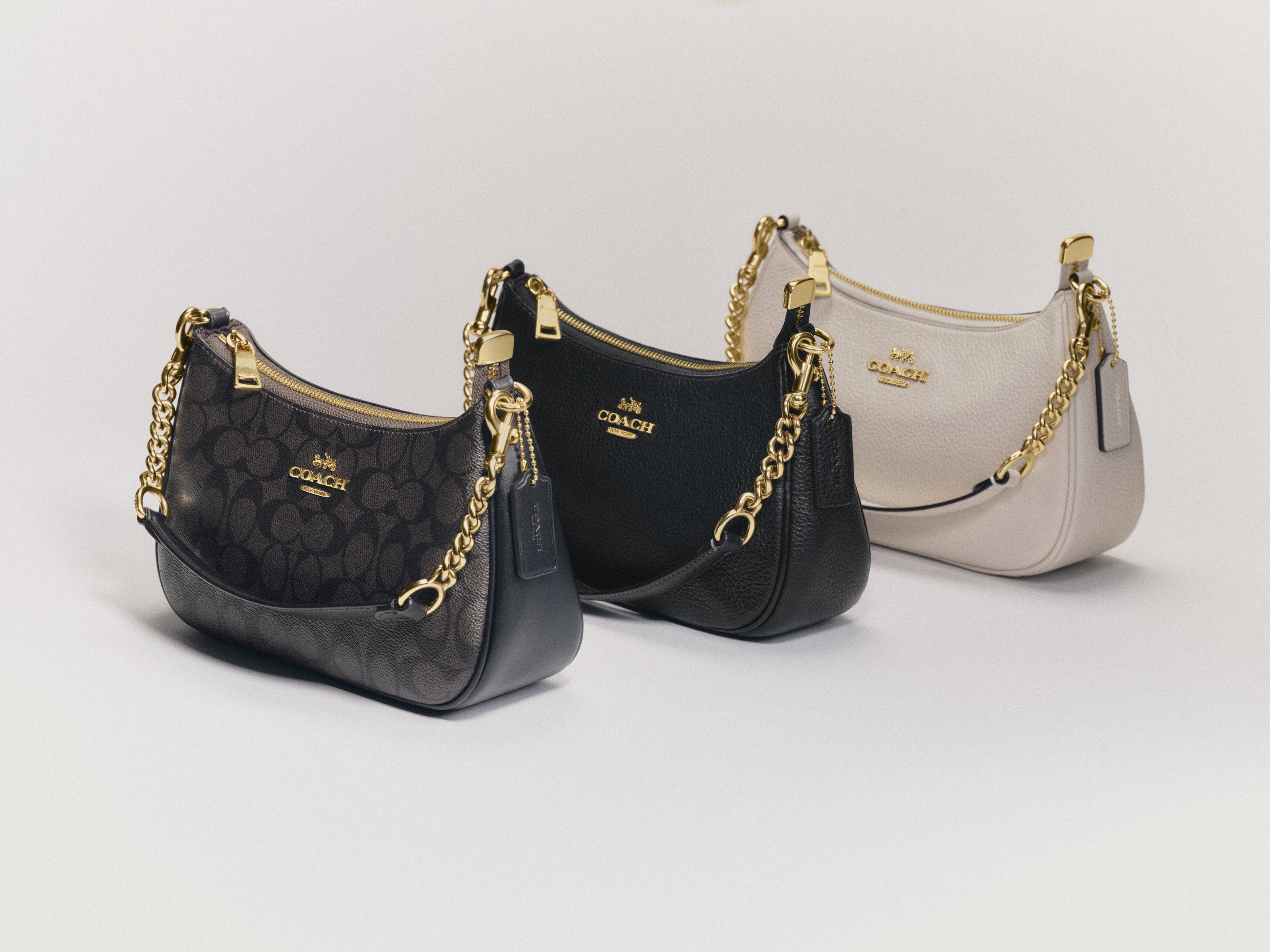
CGI and product photography each have their place. Photography works best for one off, organic or people focused visuals, while CGI becomes more valuable when products need to be reused across multiple formats, markets and campaigns.
Use product photography when you need one real moment captured, usually involving people, organic materials, or a scene you won't repeat. Use CGI when the product has to appear across many channels, formats and campaigns, whether or not it already exists.
The assumption that CGI is just for products that don't exist yet? That's a myth. A lot of the 3D work we produce is actually for products that have been on shelves for years.
What's the difference between CGI and product photography?
Photography captures a physical sample with a camera. CGI builds the product as a 3D model and lights it in software. But the real difference is what you're left with afterwards. A shoot gives you images. A 3D build gives you an asset that produces images. Need another angle? A new colourway? A vertical social asset? A 360 spin six months later? You don't need to start again.
That asset doesn't ship, doesn't scratch, and doesn't need re-approving every time someone wants a new crop .
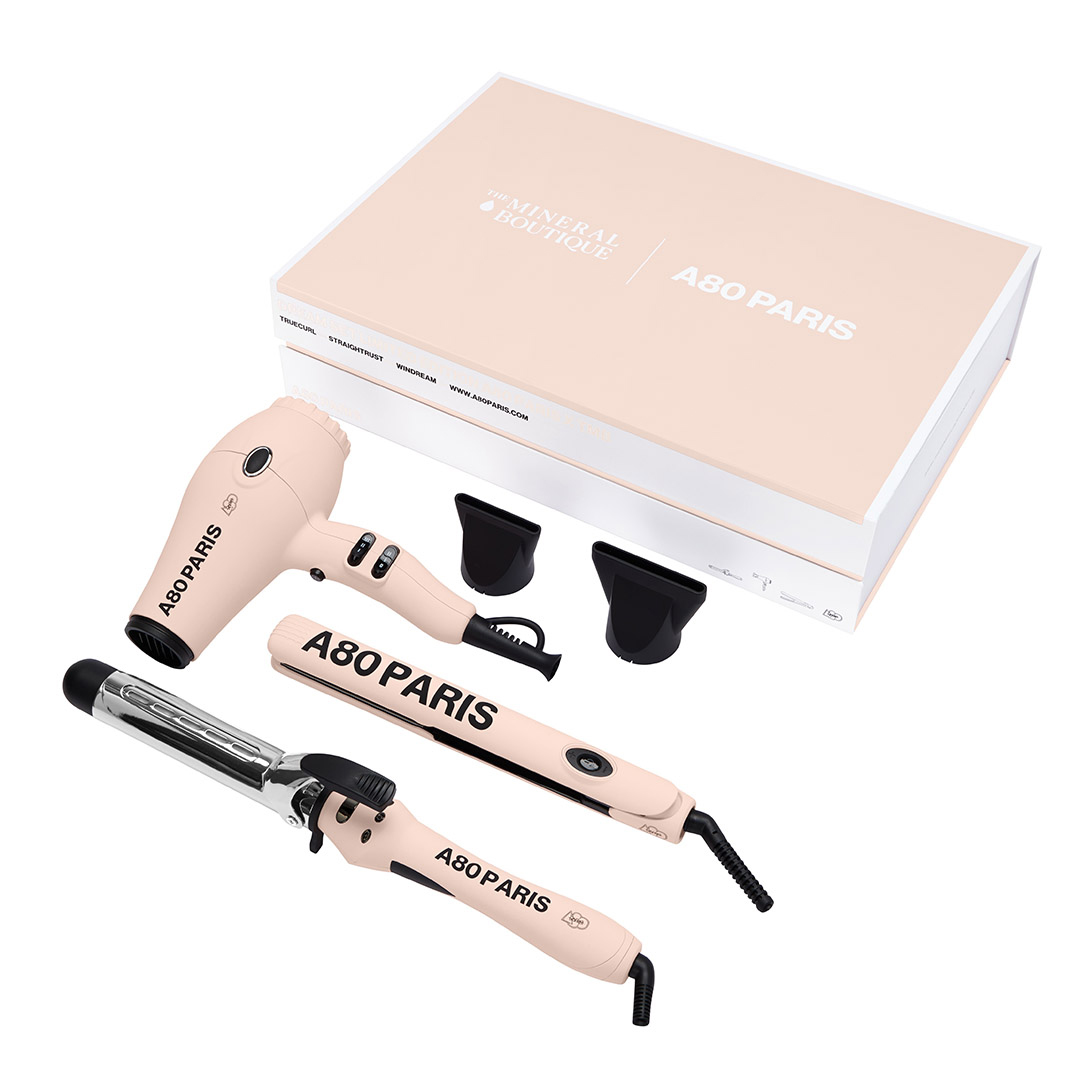
Why do brands build CGI models of products already on the market?
Because the model becomes the source. Build it once and you can keep creating from it. For brands producing content at scale, that's where CGI really starts earning its keep.
One build covers:
It works across markets too. One product can be adapted with EU packaging, Arabic artwork for the Gulf or a US layout without photographing every version separately. Sometimes the physical regional packaging doesn't even exist yet. The artwork does, though, and that's enough to get started.
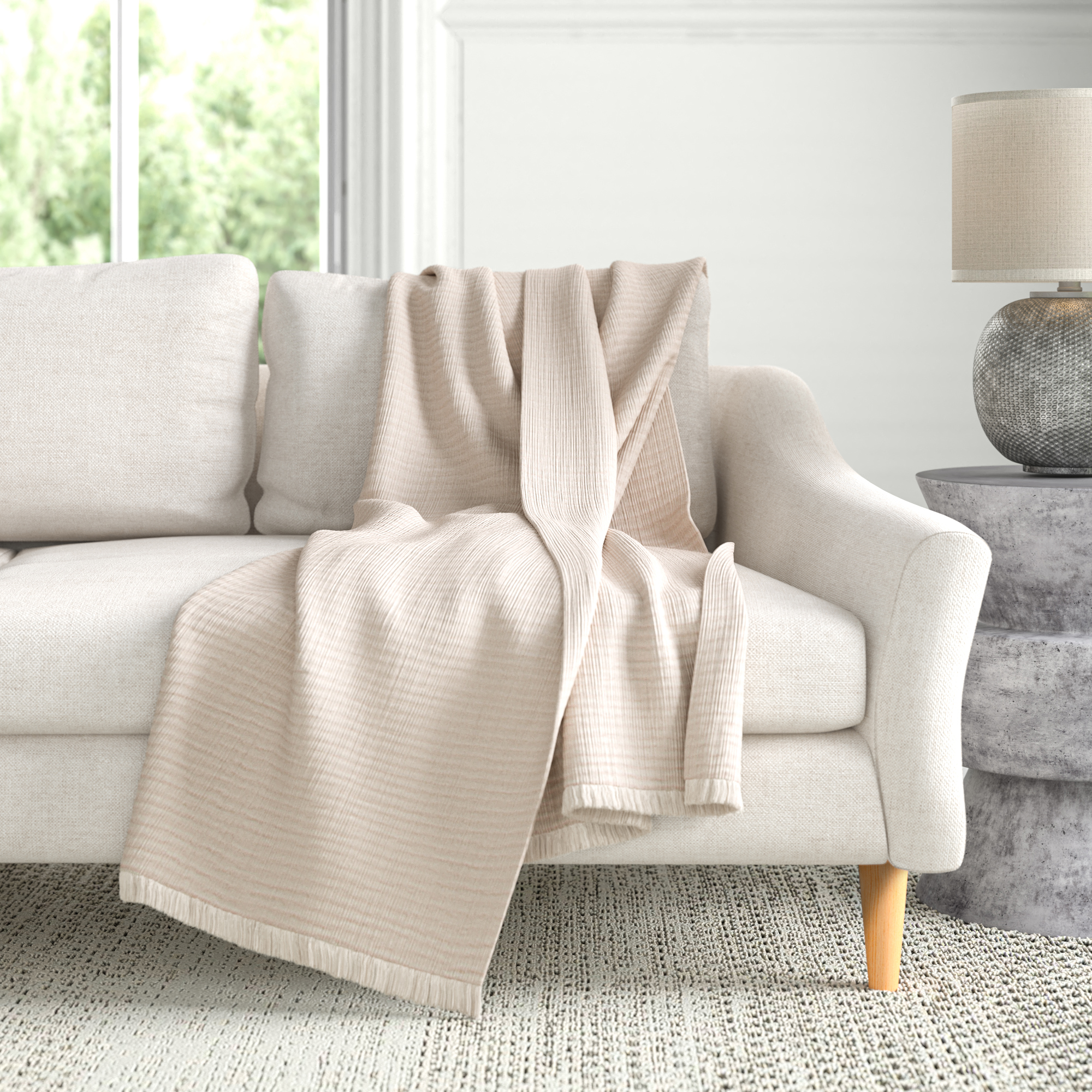
How do you keep product images consistent across campaigns?
CGI makes consistency much easier because your lighting, camera and product setup can all be saved. Try matching a shoot from eighteen months back. Different photographer, different kit, different lighting, different day. You can get close, but on an ecommerce grid even tiny differences can stand out. A render scene doesn't drift. Same key light, same lens and camera height, two years later, on a product that didn't exist when the original set was built.
So when a new SKU joins the range, it doesn't have to look like the awkward new kid on the category page.

Does CGI look as realistic as photography today?
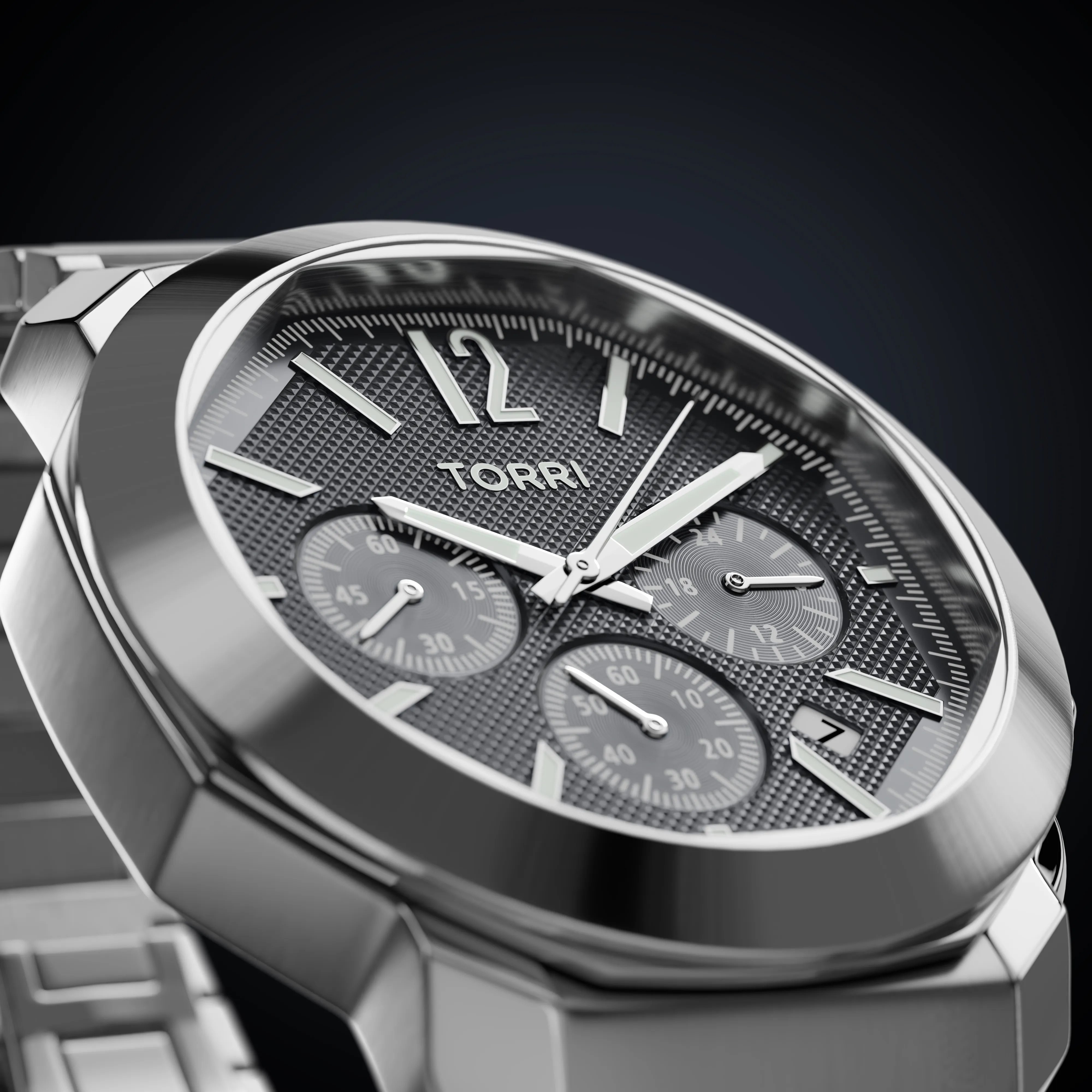
For manufactured products, yes; glass, metal, plastics, rigid packaging, cosmetics and electronics can all be rendered to a photorealistic standard. When CGI does look fake, it's almost never the geometry. It's the lighting. Great CGI shouldn't look like it was lit by a computer. It should look like it was lit in a studio.
The best CGI artists tend to think like photographers, and it shows in the final image.
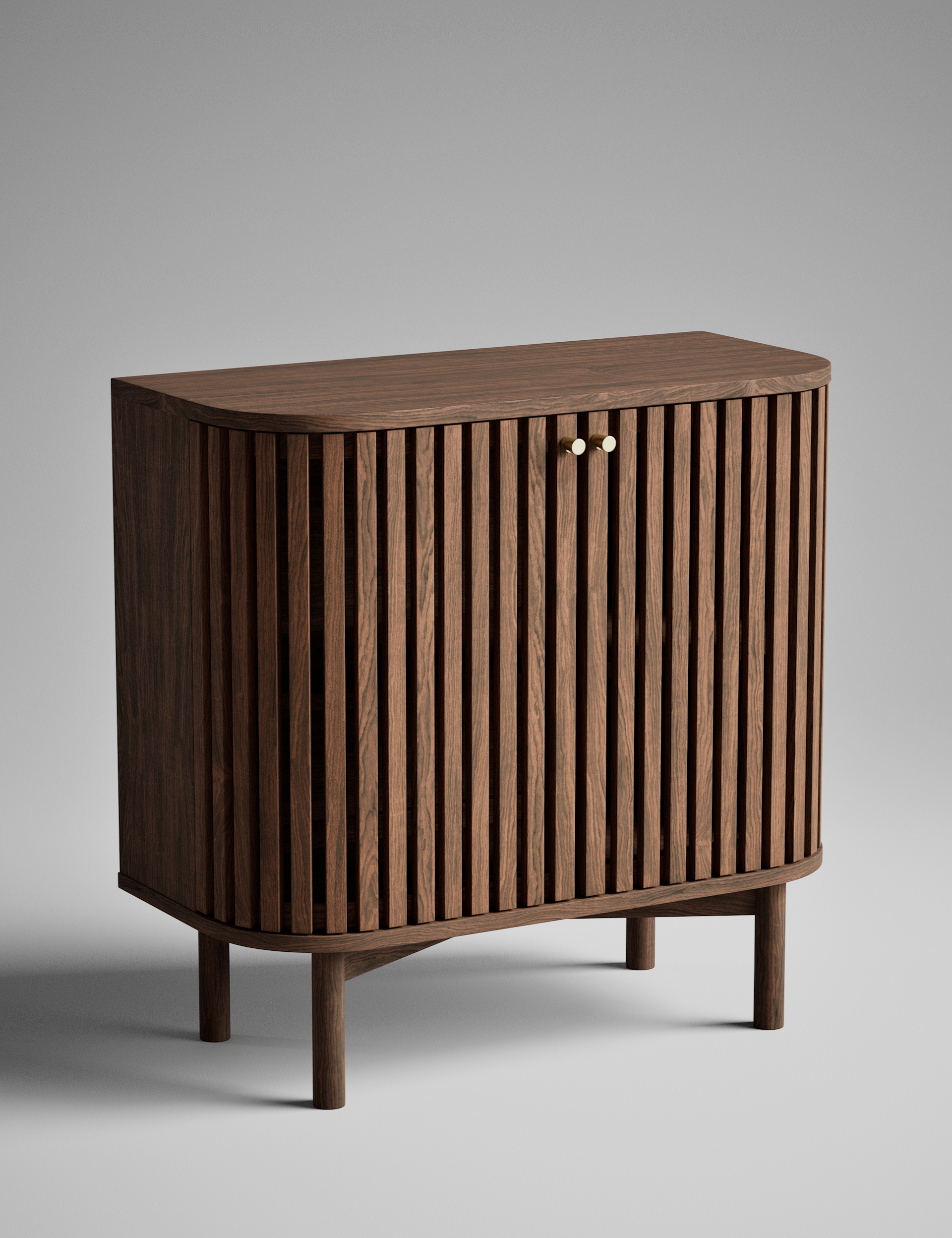
Which is cheaper, CGI or product photography?
Photography is cheaper for the first image. CGI can become more cost effective once you're producing multiple assets from the same product.
Because the cost of photography isn't just the shoot. Think about:
With CGI you pay most of it up front to build the model, and once the digital asset exists, you can keep creating from it. Your fifth photoshoot still costs money. Your fifth render is coming from an asset you've already built.
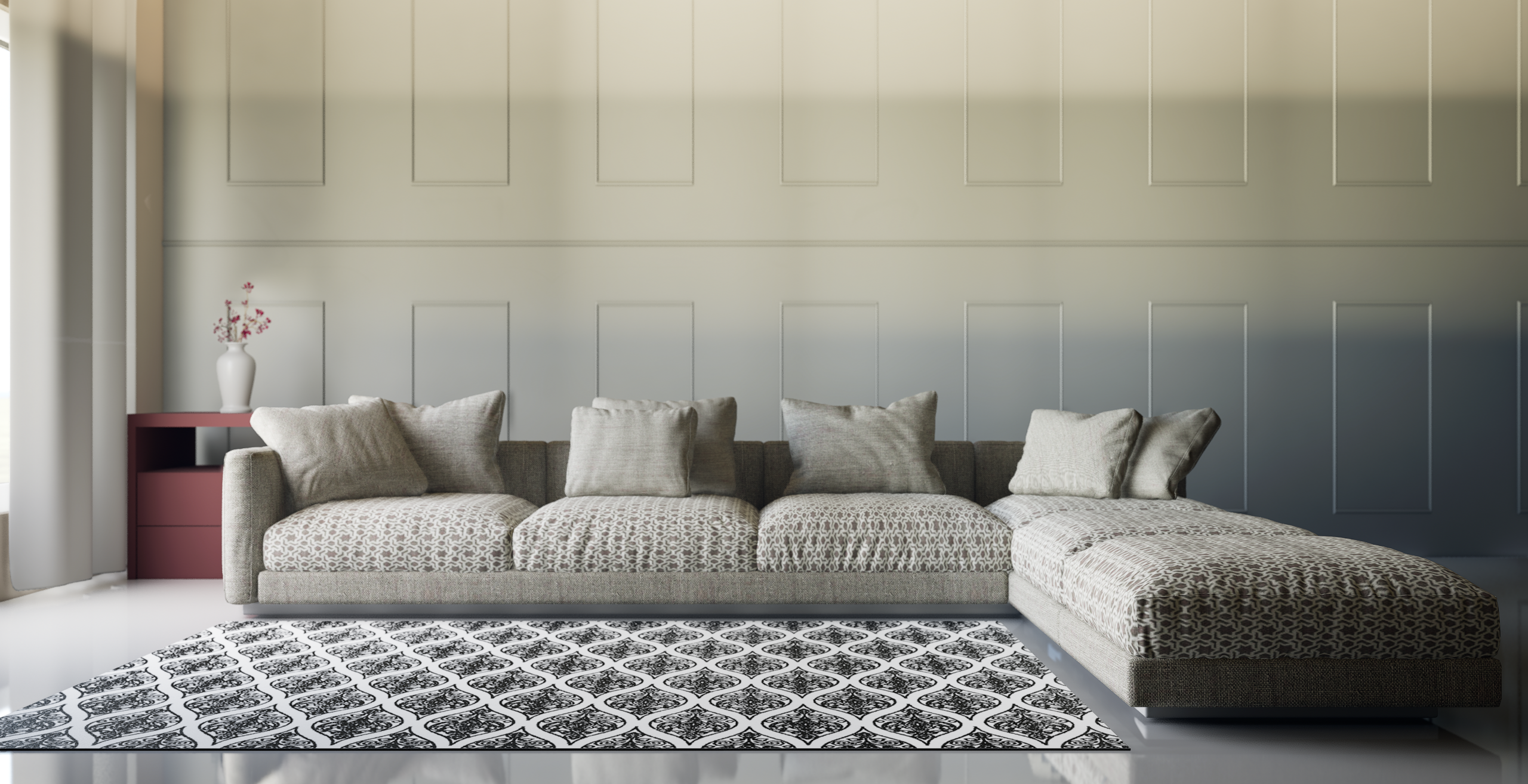
Which is faster, CGI or a photo shoot?
It depends on where you start the clock. If the physical sample is already sitting in the studio, photography can be incredibly fast. But getting that sample into the studio can be the slow part: production, approvals, shipping and customs all happen before anyone presses the shutter. CGI can remove a lot of that waiting time. That doesn't mean CGI never needs a sample. Some finishes are much easier to perfect with the real product there for reference. But the whole production doesn't have to depend on it.
When is product photography still the right call?
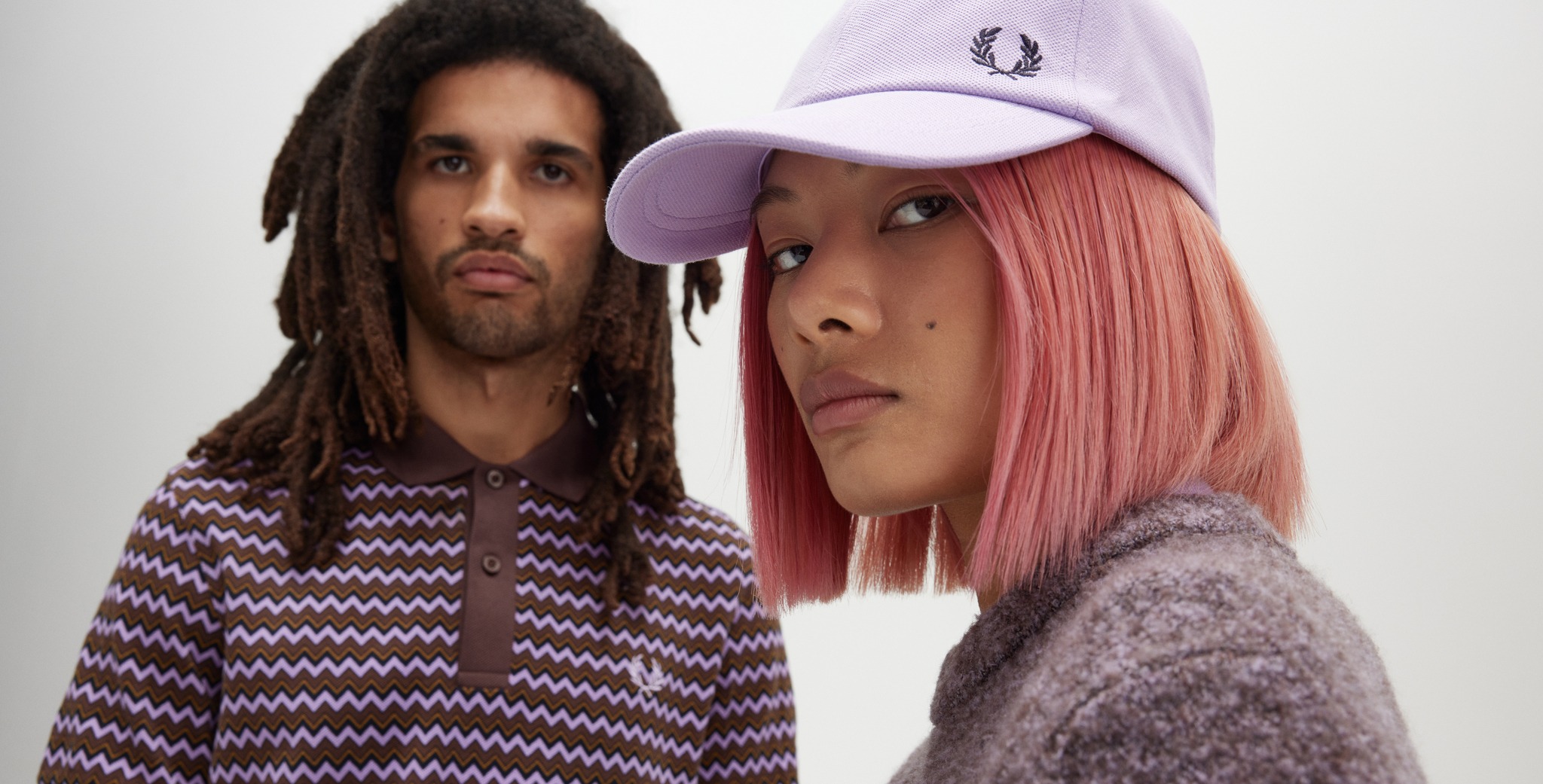
Anything with people in it, anything organic, and anything you genuinely need only once. Human hands touching a product is the clearest case. People, fresh food, hair and highly organic textures are all areas where photography can still be the smarter option. And sometimes the best answer is simply: both. Shoot the environment and the model, render the product into the plate, then swap the product layer when packaging changes and keep the scene. One campaign. Much more mileage.
When is CGI not worth it?
When the product shows up in a handful of places, never changes, and the campaign is genuinely a one off. If you've got a small catalogue, no variants coming and the samples are sitting in the next room, book the photographer. CGI doesn't need to win every time.
How should you decide?
Count how many places this product has to appear. Don't just think about the image you need today. Think about what you'll need from that product next. High channel count, frequent variants, packaging that changes regularly or several markets to serve? CGI starts making a lot of sense. One beautiful moment that you'll never need to recreate? Shoot it. Need both? Use both. There isn't really a winner here. There's just the right tool for the job.
Not sure which one you need?
Send RIBU one SKU. We'll look at where, how and how often you need to use it and tell you whether we'd shoot it, build it or combine the two. And if photography makes more sense? We'll tell you that too.

Every imaginable solution for brands to visually manifest their products. A production studio operating between vision & delivery. Working globally to bring images into focus; from edit to final release. Built on craft, scale and long term partnership.