

E
hello@ribuworld.com
M
+44 79852 04488
M
+91 98203 08420
T
+91 22 6943 4666
We bring ideas to life with a 360° approach, dealing with CGI, VFX, Digitisation, Content Services, Video Editing, Automation & Machine Learning.
Built from the pixel.
Shaped through craft.


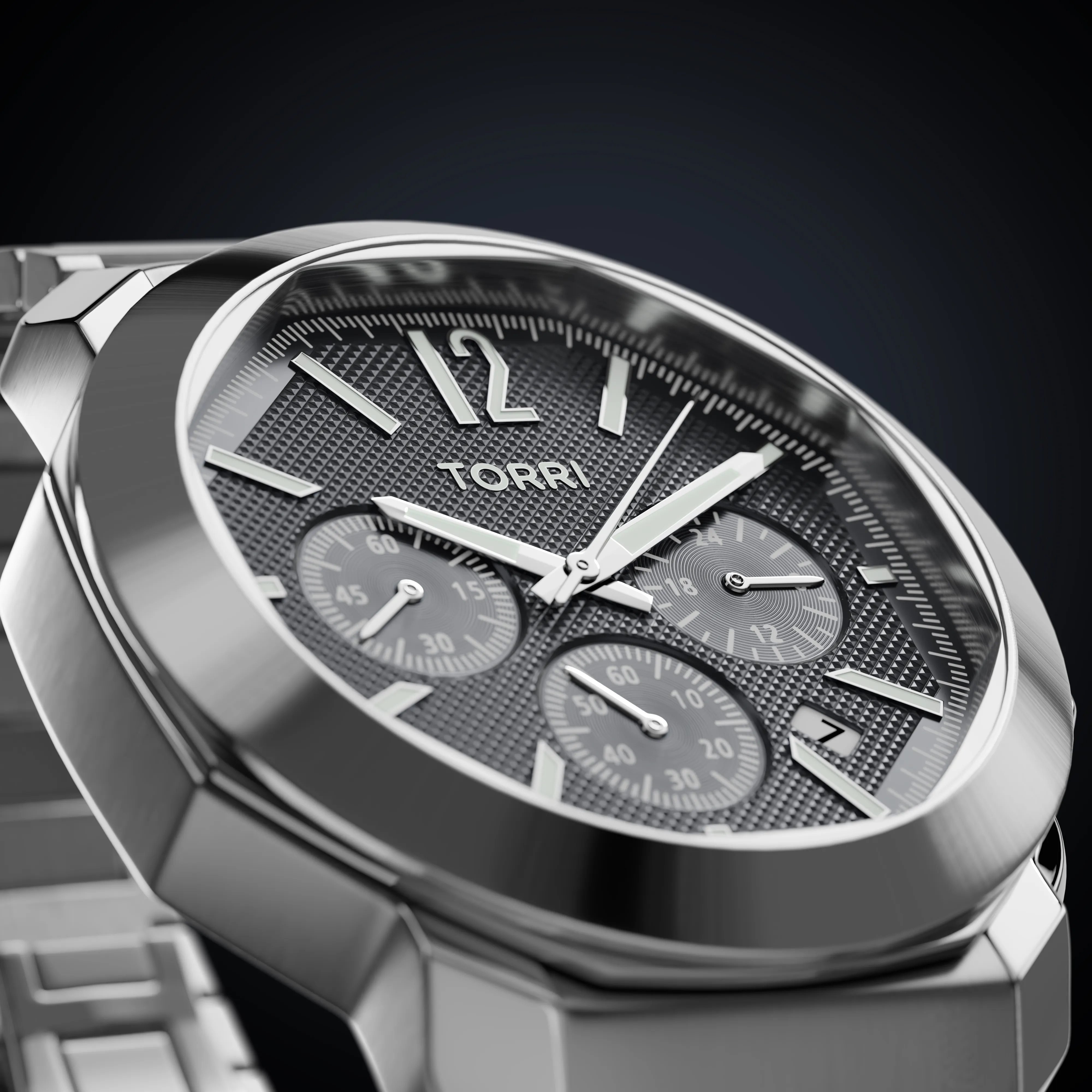
Material realism is key in CGI furniture visualisation, accurately recreating fabrics, wood grains, and metal finishes to reflect true craftsmanship. By using advanced rendering techniques, brands can showcase products more convincingly, strengthen customer trust, and influence buying decisions.
Material Mastery
A glance at a velvet sofa invites admiration; a polished walnut table evokes a sense of calmness, while a steel frame conveys strength and stability. This is the art of design, woven with material mastery and brought to life through CGI.
The accurate depiction of materials reveals intricatedetails of fabric, wood, and metal, making material rendering a defining feature of furniture visualisation.
The Importance of Material Realism
Material realism matters. For customers, it shapes theirperception of quality and value. By expressing true craftsmanship and authenticity, fabric textures, wood grains, and metal reflections influence buying decisions.
Conversely, poor or inconsistent material rendering undermines trust and reduces visual appeal.
CGI production agencies leverage material realism to enhance the emotional connection between customers and products.
Realistic Material Rendering Techniques
Fabrics:
In CGI, displacement and normal maps are used to recreate realistic wrinkles and folds, while light scattering helps achieve a soft, natural appearance.
Woods:
Using displacement mapping, CGI artists replicate the natural wood grain. Reflection layers simulate polished surfaces, while multiple texture layers adjust colour variation and noise to capture the organic irregularities of real wood.
Metals:
A blend of texture maps produces a convincing metallic finish:
– The diffuse map defines the base colour and reflectivity.
– The bump map adds fine details such as scratches and dents.
– The normal map determines how light interacts with the surface.
– The specular map controls shine and highlights.
– The roughness map allows artists to fine tune the balance between smooth and matte areas.
The Impact of Material Realism on Business
Realistic CGI materials enable customers to virtually ‘feel’ the furniture, creating a stronger emotional response and greater purchasing confidence, while also reducing product returns.
A CGI production agency can offer large-scale customisation, allowing customers to swap finishes virtually, whether oak, teak, chrome, or brass, all with just a click.
High definition renders with realistic textures and apremium visual presence strengthen brand identity and elevate perceived value.
Conclusion
Driven by true material expertise, CGI services use advanced rendering techniques to achieve convincing realism across fabrics, wood, and metal.
This results in photorealistic furniture imagery that invites users toengage and explore. Ultimately, realistic materials enhance brand image, build trust, and boost conversions.

Every imaginable solution for brands to visually manifest their products. A production studio operating between vision & delivery. Working globally to bring images into focus; from edit to final release. Built on craft, scale and long term partnership.