E
hello@ribuworld.com
M
+44 79852 04488
M
+91 98203 08420
T
+91 22 6943 4666
We bring ideas to life with a 360° approach, dealing with CGI, VFX, Digitisation, Content Services, Video Editing, Automation & Machine Learning.
Built from the pixel.
Shaped through craft.

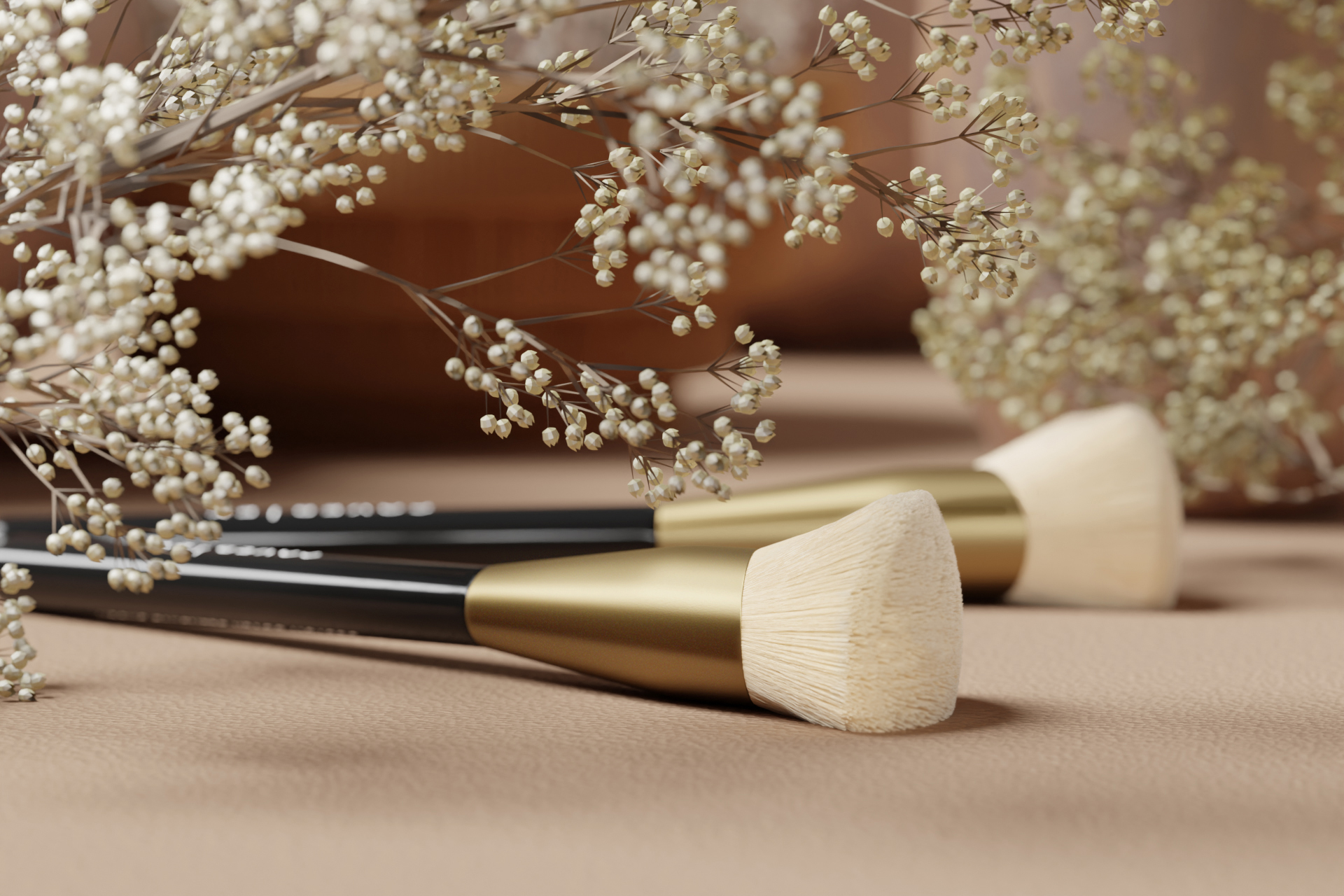
AI enables brands to create visual content faster and at greater scale, but consistency still depends on strong creative direction and brand guidelines. The best approach combines AI with photography, CGI and retouching to deliver more content without losing brand identity.
AI has changed how quickly brands can create visual content. A campaign concept that once needed days of planning can now be explored in a fraction of the time. More concepts. More variations. More content. Fewer “can we see another option?” meetings.
But faster production brings a new problem: how do you create more content without making the brand look different every time?
Because producing 100 images quickly isn’t particularly useful if only 12 of them actually look like your brand.
The answer isn’t to make everything identical. It’s to give AI the same rules, references and creative direction you’d give any other part of your production team.
AI performs better when it has clear direction. “Make it cool” is not a brand guideline.
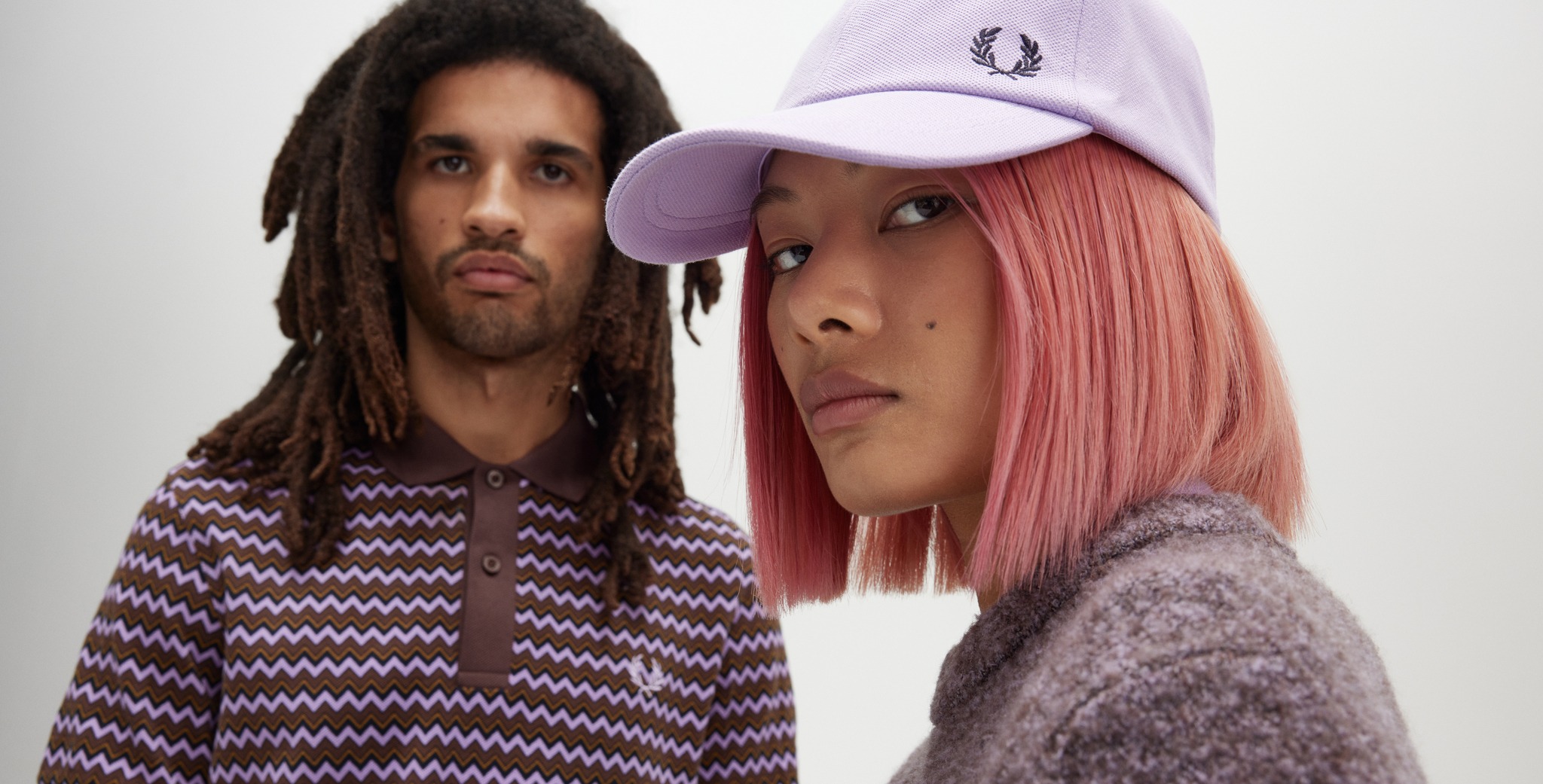
Before generating new content, brands should define the visual elements that make them recognisable: product appearance, colour, lighting, composition, backgrounds, people, styling and overall tone.
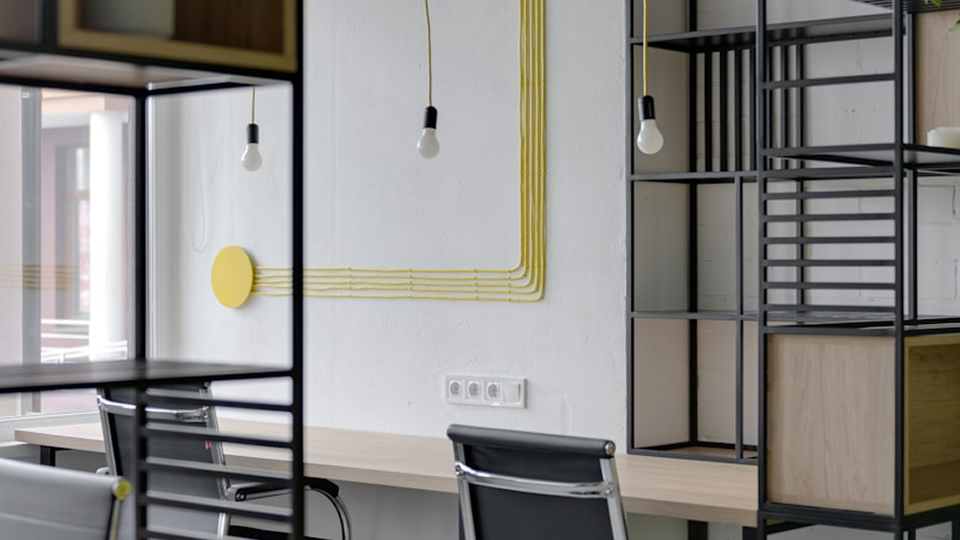
What does your brand actually look like? Is the lighting soft or dramatic? Clean studio or lived-in? Minimal or maximalist? Polished or deliberately imperfect?
A library of approved photography, CGI assets, campaign visuals and other brand references can help create that foundation. The goal is to give every creator and every production method the same starting point.
The stronger the visual foundation, the less likely you are to end up asking AI for “quiet luxury” and somehow getting a beige sofa, three lemons and a woman with seven fingers.
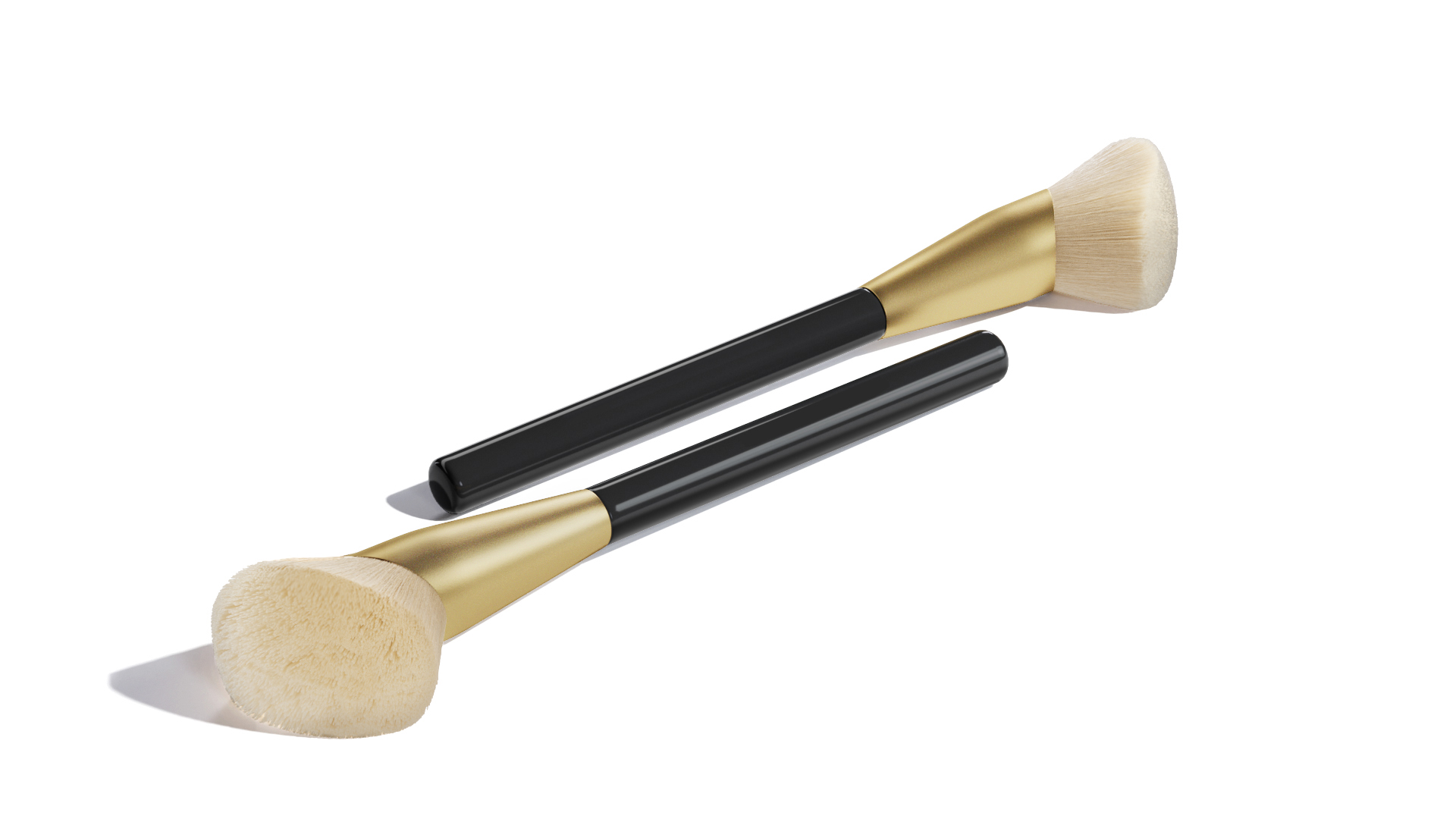
Different visual needs still require different production methods. There isn’t one magic button that does everything. Yet.
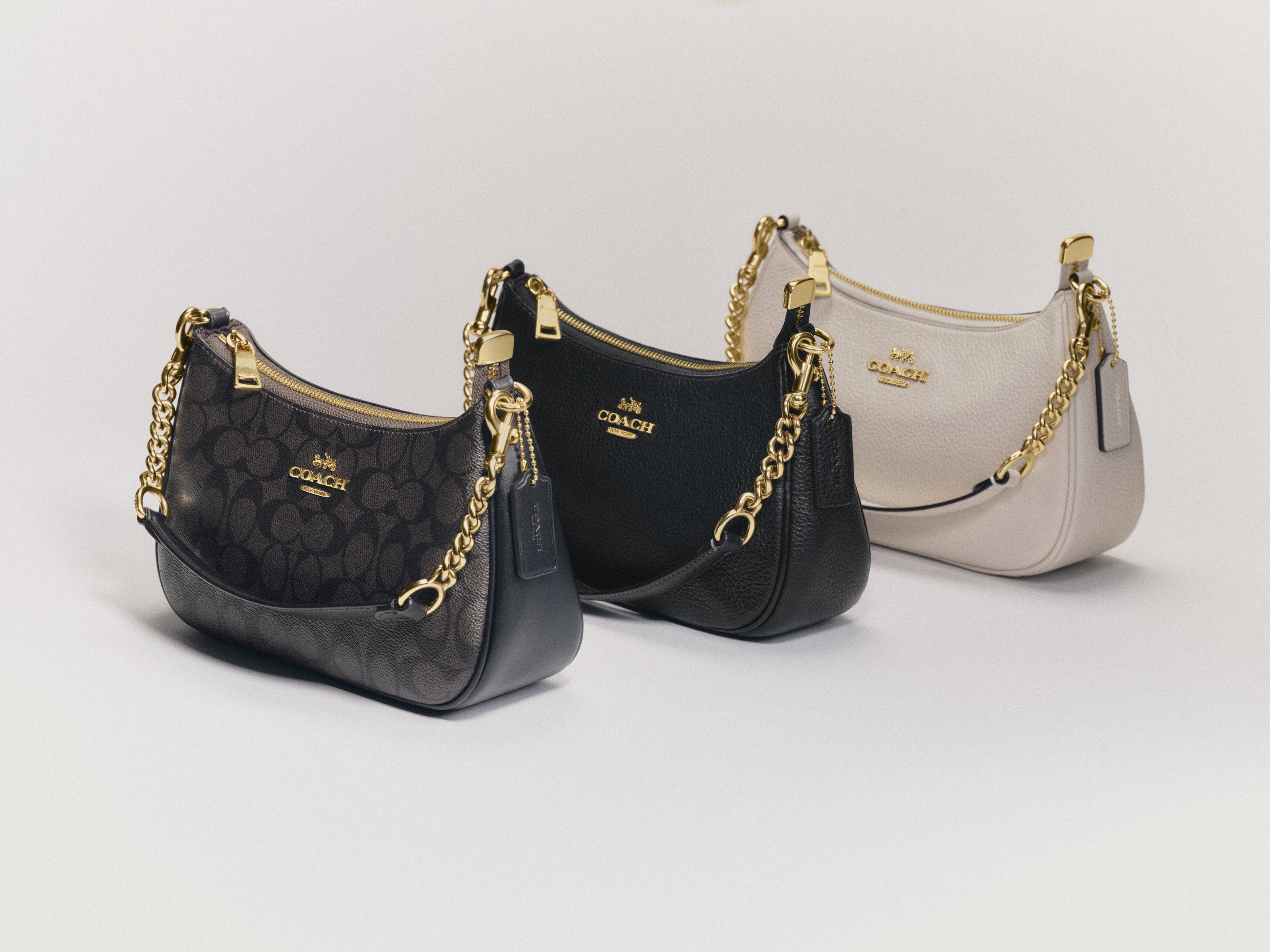
Photography captures the real product, real materials, people and physical details that customers need to see and trust. Sometimes you need the actual thing, in an actual studio, photographed by an actual human. Revolutionary, we know.
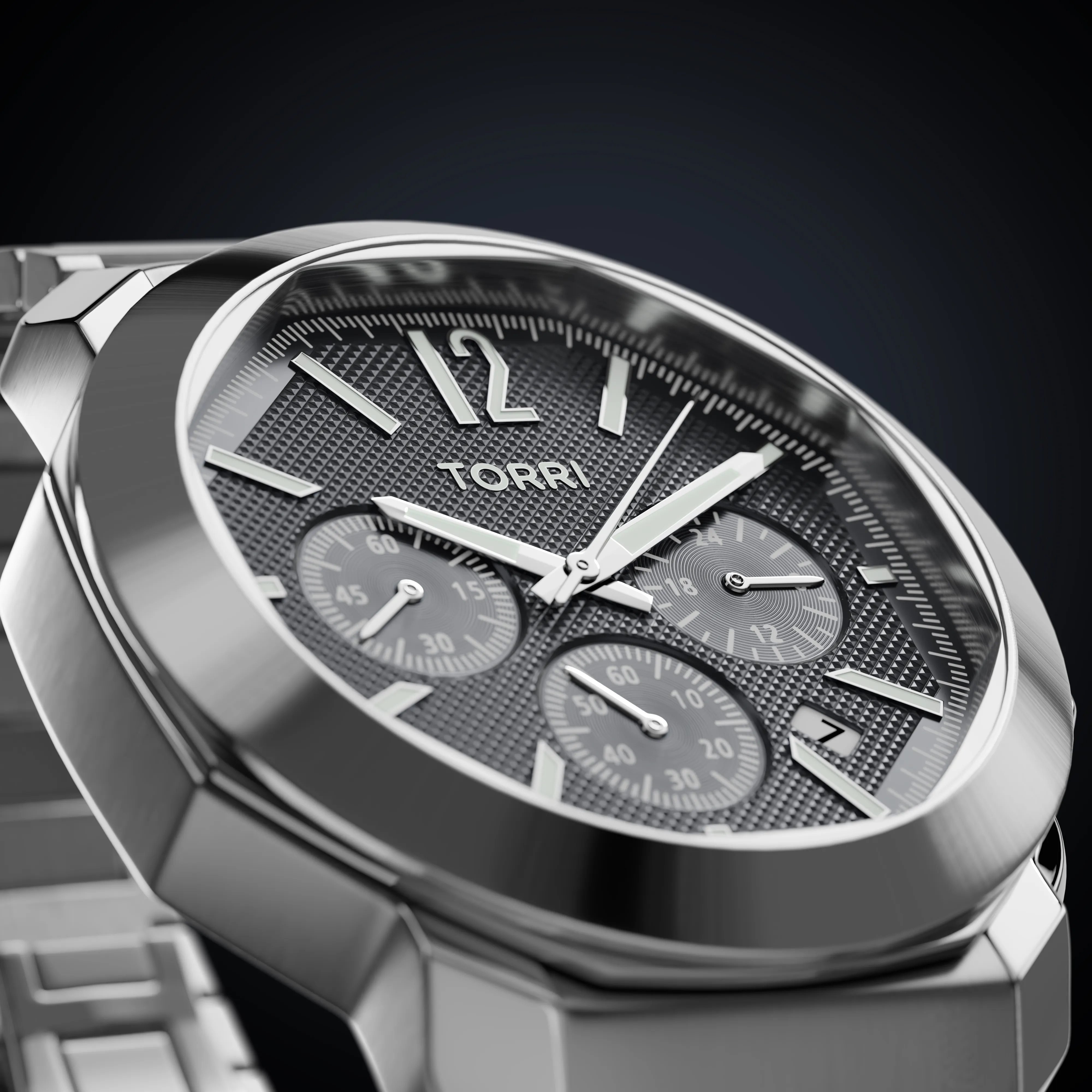
CGI gives brands control over products, environments, colours, finishes and variations. It becomes especially useful when a product needs to appear in multiple settings or when large numbers of assets need to be created consistently.
AI can add speed and flexibility to this system. It can help explore creative directions, create variations, adapt content for different formats and develop new visual ideas from existing assets.
And this is where things get interesting: the strongest workflows don’t necessarily choose between them. They combine them.
A real product shoot can provide accurate product references. CGI can create controlled product visuals. AI can then help build additional environments, concepts or variations around those assets.
Photography gives you reality. CGI gives you control. AI gives you speed and possibility. Creative direction makes sure it all still looks like you.
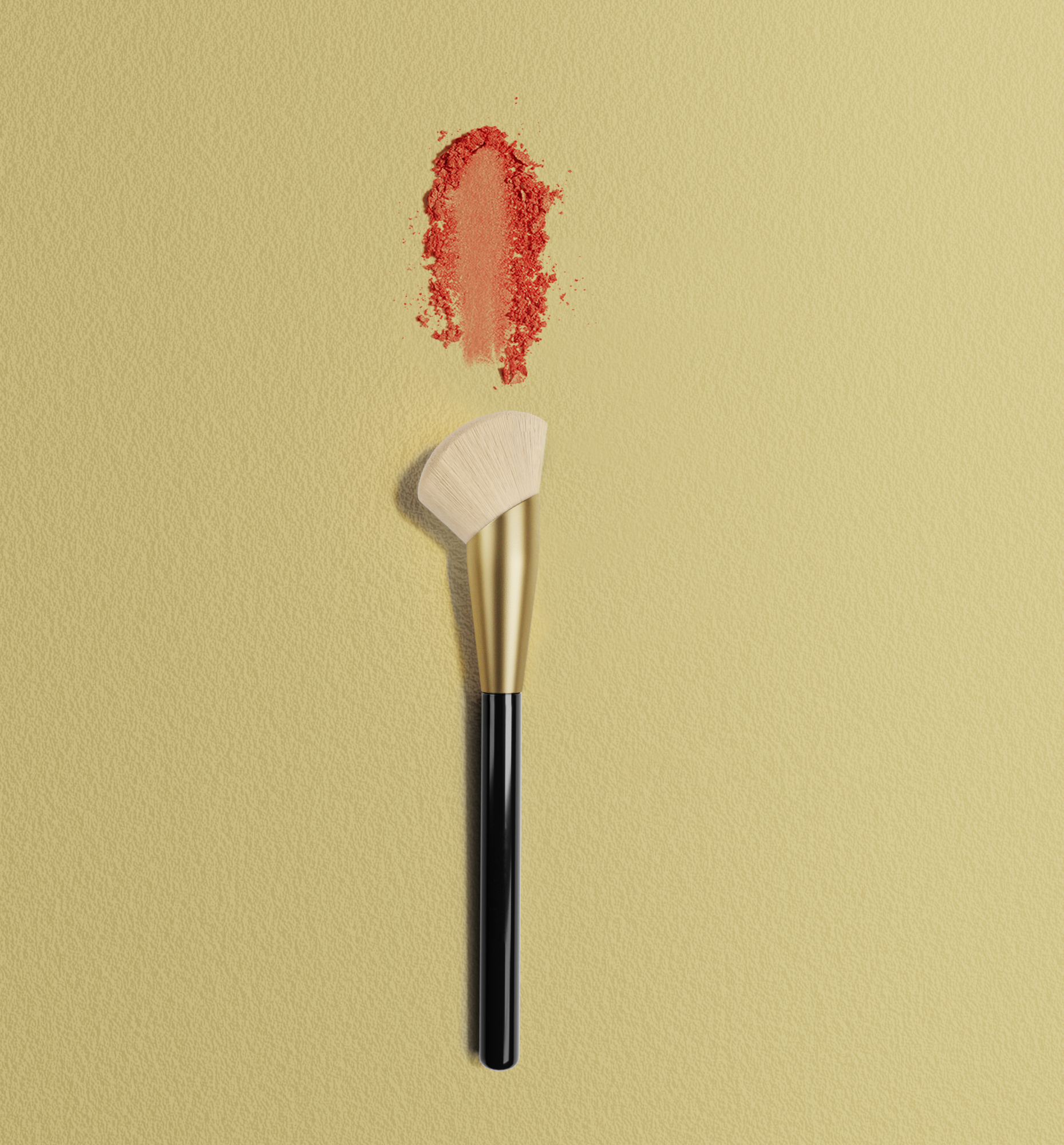
More AI generated content does not automatically mean better content. More is just… more.
Products can lose their shape. Materials can look wrong. People can feel unnatural. Small details can change from one image to another.
A zip disappears. A logo moves. Your model suddenly has an ambitious number of fingers. AI can do incredible things, but it can also confidently create things nobody asked for.
That is why review remains important. Someone still needs to decide whether the product is accurate, whether the image feels right for the brand and whether it meets the purpose of the campaign.
AI can speed up production. It can’t replace taste.
The best results still need someone asking: Is this accurate? Is it useful? And, most importantly, does this actually look like us?
The real advantage comes when these tools are connected through one production system. Not when AI is sitting in one corner, photography in another and CGI somewhere else wondering what everyone’s doing.
At RIBU, photography, CGI, retouching and AI enabled production can work together to create visual content at scale while keeping the product and brand consistent.
Because the goal isn’t to flood the internet with more content just because we can. There’s quite enough of that already.
It is to create more useful content without losing the visual identity customers recognise.
AI should make your visual world bigger, not make your brand less recognisable.
Want to bring AI into your visual production without sacrificing what makes your brand look like your brand? Talk to RIBU. We’ll help you build a smarter, scalable workflow combining photography, CGI, retouching and AI – with humans firmly keeping an eye on the fingers.

Every imaginable solution for brands to visually manifest their products. A production studio operating between vision & delivery. Working globally to bring images into focus; from edit to final release. Built on craft, scale and long term partnership.